
What Is Relational Therapy? (And Why It Feels So Different From Traditional Therapy)
Relational therapy is a trauma-informed approach that prioritizes real human connection over therapist neutrality. Instead of a distant “blank slate,” this model focuses on safety, attunement, and nervous system regulation—making it especially powerful for complex and relational trauma.

Q & A With Emma Kobil, LPC, EMDR and IFS Therapist For Women
In this Q&A, Martha Carter and Emma Kobil explore why high-achieving women often struggle with perfectionism, self-criticism, and feeling like they’re never enough. Beneath the surface, these patterns are often rooted in trauma and shaped by environments where love felt conditional. This conversation breaks down how EMDR and Internal Family Systems (IFS) move beyond insight to create real, embodied healing—and how to gently reconnect with your body when you’ve been stuck in overthinking for years.

Why Do I Still Feel Stuck After Years of Therapy or Self-Reflection?
Feeling stuck after therapy in Colorado? Learn how nervous system dysregulation and unresolved trauma patterns can keep you from changing—and how somatic therapy helps you get unstuck and feel like yourself again.

The Impact of Childhood Sexual Trauma and Abuse on Men
Childhood sexual trauma in boys often leaves behind a silent, enduring shame — especially around freezing, shutting down, or feeling like you “weren’t man enough” to stop it. But you were not a man. You were a child whose nervous system did exactly what it was designed to do to survive. This blog explores the unique impact sexual trauma can have on masculinity and how somatic, nervous system–based healing can help you release shame, restore agency, and reclaim an embodied sense of strength.
Why Do I Feel Tense and Anxious All the Time Even When Nothing Is Wrong?
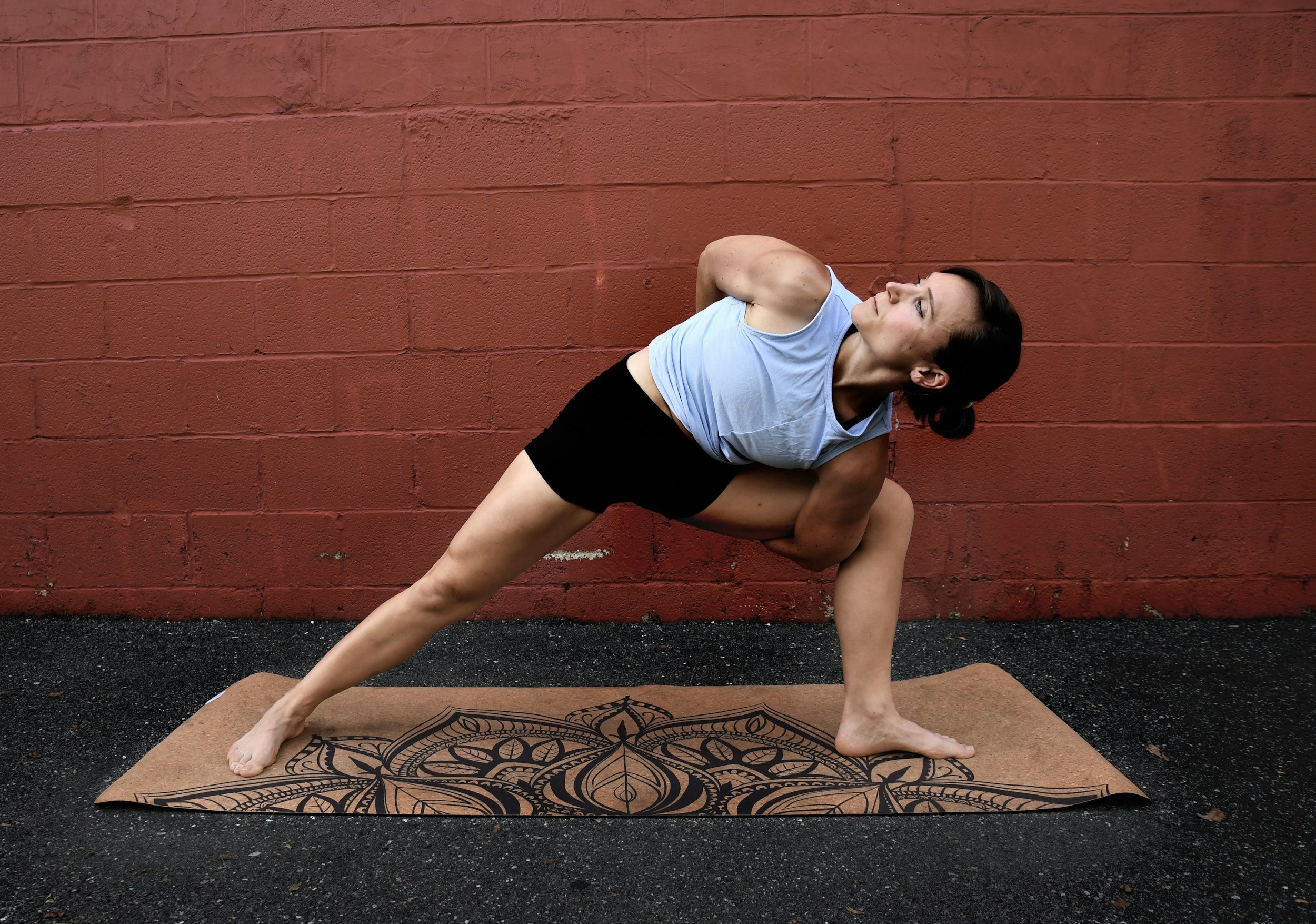
Do you live in a body that never fully lets go? Chronic tension is often rooted in early emotional wounds and nervous system survival patterns. This post explains why your body stays braced, even when nothing is wrong, and how somatic therapy in Colorado Springs helps you rebuild safety from the inside out.

Why Do I Binge Eat?
If you use food to cope, you’re not weak—you’re adaptive.
For many people with trauma histories or disordered eating patterns, food becomes a way to regulate a nervous system that feels stuck in fight, flight, freeze, or shutdown. Not because something is wrong with you, but because your body learned early on that it wasn’t safe to relax.
In this blog, I break down the difference between nervous system dysregulation and healthy emotional responses, how managing behaviors like using food can temporarily take the edge off, and how somatic therapy supports true deactivation so food no longer has to carry the weight of old wounds.

Is Somatic Therapy Good for Complex Trauma?
Is somatic therapy helpful for complex trauma? This article explores how somatic, trauma-informed therapy supports nervous system regulation, safety, and embodied healing more than talk therapy alone.

How to Set Boundaries (When It’s Always Felt Unsafe to Have Them)
If setting boundaries feels overwhelming, guilt-inducing, or unsafe, you’re not doing it wrong — your nervous system may be protecting you. This blog explores why boundaries are difficult after trauma, how early relational conditioning shapes boundary struggles, and how to identify what your boundaries actually are. You’ll learn the difference between real and “faux” boundaries, see concrete examples of different types of boundaries, and discover how somatic and immersive therapy sessions can help you communicate limits with more clarity, confidence, and regulation.

Therapist Boulder
Searching for therapy in Boulder often starts with a quiet question: Is what I’m dealing with “bad enough” for therapy? This blog explores common trauma signs, how trauma lives in the nervous system, and how trauma-informed, somatic therapy in Colorado can help you feel safer, calmer, and more like yourself again.

Why Am I So Afraid of Disappointing People?
Why am I so afraid of disappointing people? This blog explores how the fear of disappointing others often develops as a trauma response rooted in childhood experiences where safety and connection felt conditional. You’ll learn how beliefs like “my needs don’t matter” and “I have to merge with others to stay safe” become wired into the nervous system, why this pattern follows people into adulthood as people-pleasing and conflict avoidance, and how somatic therapy helps create real nervous system change—so disappointing others no longer feels dangerous.

How To Support Your Loved One With Sexual Trauma
This blog explains what sexual trauma is, how it affects the body and nervous system, and the common emotional and physical responses survivors experience. It offers grounded, compassionate guidance on how to support someone healing from sexual assault, including what survivors wish their loved ones understood, how to help after recent assault, how to navigate intimacy, and when to consider couples therapy. Written in a warm, trauma informed voice, this guide supports anyone wanting to show up with empathy and steadiness for someone they love.

Why Conflict Avoidance Hurts More Than Speaking Up (And What To Do About It)
Staying silent might feel safer, but unspoken feelings don’t disappear—they live on in the body as tension, resentment, and disconnection. This trauma-informed guide explores why conflict avoidance develops, how it impacts your health and relationships, and practical nervous-system-based tools to help you speak up without overwhelming yourself.

Why Being Misunderstood Is So Triggering for People With Trauma
Being misunderstood can feel like a small inconvenience—or it can feel deeply unsettling and hard to shake. For people with trauma, misunderstanding often taps into old patterns of having to explain, defend, or disappear to stay safe. This post explores why being misunderstood can feel so triggering, why it’s often not about you, and how healing involves learning to live with misunderstanding without losing yourself.

Why Emotional Abuse, Complex Trauma, and People-Pleasing Go Hand-in-Hand (and How to Heal)
People-pleasing isn’t a personality flaw — it’s often a survival response shaped by complex trauma. This blog explores why people-pleasing develops, how it impacts your sense of self, and how trauma-informed therapy in Lakewood, Colorado can help you reconnect with your authentic self.

What Your Friend Healing From Trauma Wants You to Know
Supporting a friend healing from trauma can feel confusing at times, but what they need most is compassion, patience, and understanding. This blog gently explains what someone in trauma recovery wishes they could tell the people they love.

Why Complex Trauma and People-Pleasing Go Hand-in-Hand (and How to Heal)
People-pleasing isn’t a personality flaw — it’s a survival strategy shaped by trauma. This blog explores why complex trauma and people-pleasing are connected, and provides gentle, trauma-informed challenges that help people-pleasers reconnect with their authentic selves, sit with discomfort, and build safety within their own bodies again.

Trauma Therapy Denver CO
Therapy isn’t just for moments of crisis — it’s for anyone who feels disconnected, overwhelmed, or ready to understand themselves more deeply. Many people come to therapy wanting to trust themselves again, feel more grounded, release shame from past trauma, reduce eating disorder behaviors, or reconnect with their emotions. This blog explores the most common reasons people seek therapy, the subtle signs you may need more support, and how a somatic, trauma-informed approach can help you feel more like yourself again.

How to Support Your Loved One With an Eating Disorder During the Holidays
The holidays can feel overwhelming for someone living with an eating disorder. Food becomes the center of every gathering, stress is high, and well-intended comments can unintentionally trigger deep shame or anxiety. This guide offers compassionate, trauma-informed ways to support your loved one through a season that can be incredibly difficult—helping you show up with sensitivity, understanding, and grounded care.

Coping Strategies for Trauma
Coping with trauma is not about being strong enough — it’s about helping your nervous system feel safe again. In this blog, I share gentle, somatic, and trauma-informed strategies you can use to steady your body, regulate your emotions, and reconnect with yourself. If you’re looking for support from someone who understands trauma deeply, this resource is a compassionate place to begin.

Navigating Family Dynamics During the Holidays: How to Stay Grounded, Boundaried, and Compassionate With Yourself
The holidays can stir old family wounds for trauma survivors. Learn from a trauma therapist in Denver Colorado how to stay grounded, set boundaries, and care for your body and nervous system with compassion and self-trust.