How to Support Your Loved One With an Eating Disorder During the Holidays
The holidays can bring warmth, connection, and special traditions. But they can also be one of the most painful, overwhelming, and triggering times of the year—especially for someone living with an eating disorder.
Even if your loved one looks “fine” on the outside, this season can feel like walking through a minefield on the inside. Food is everywhere. Expectations are everywhere. Stress is everywhere. And for someone who already struggles in their relationship with food or their body, these months can feel less like celebration and more like survival.
If you love someone with an eating disorder, you may feel unsure of what to say, what not to say, how to show up, or how to help them feel safer around you. The good news is: your presence matters deeply. And there are supportive, compassionate ways to show up that make this time of year easier for them—not perfect, but gentler.
This blog can help you understand what the holidays feel like through their eyes, what makes this season uniquely hard, and what you can do to be a grounding, supportive force during a genuinely stressful time.
Why the Holidays Are So Difficult for Someone With an Eating Disorder
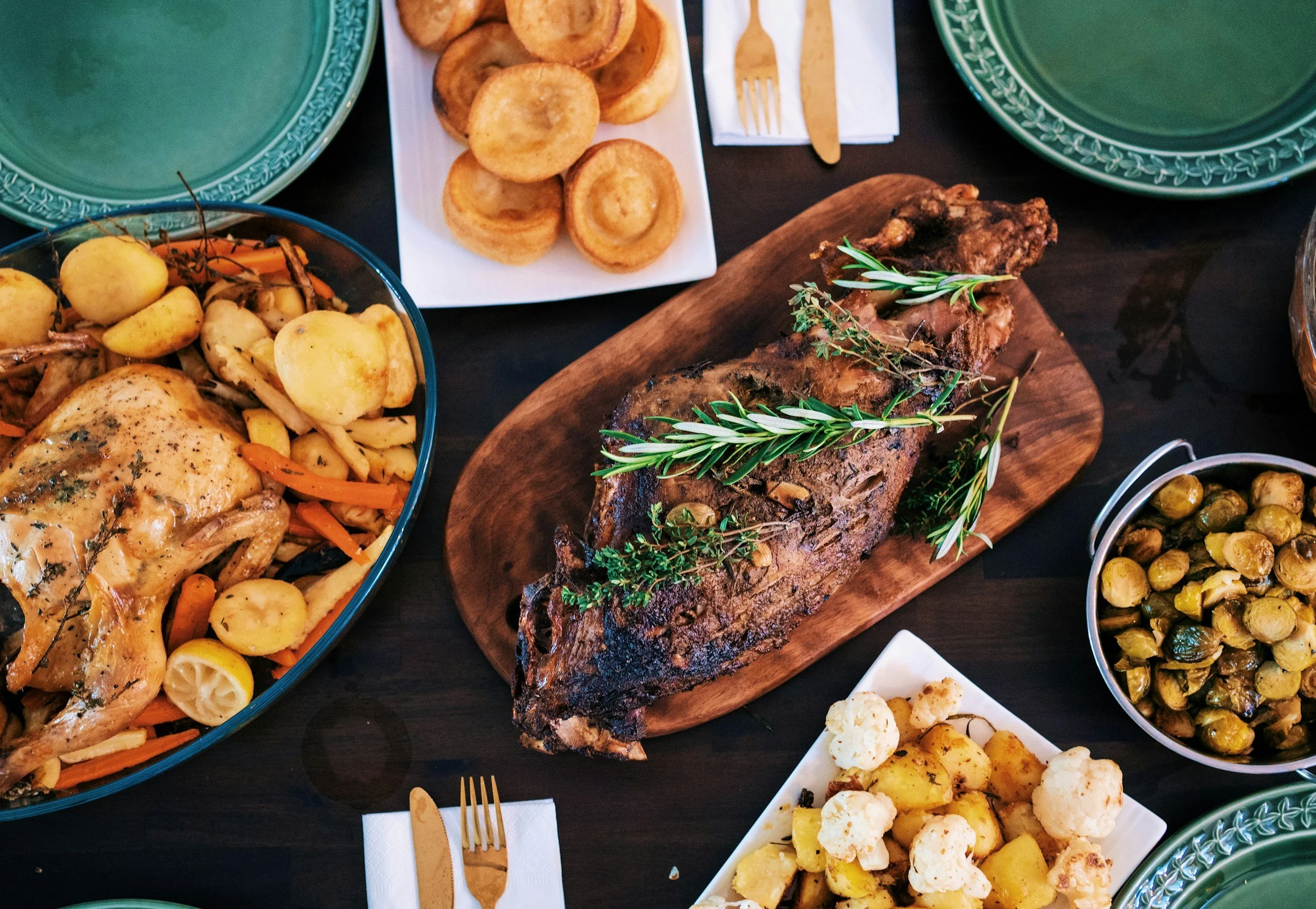
For many people, the holidays mean food-centric gatherings: potlucks, desserts everywhere, conversations about cooking, family commenting on what’s being eaten… it’s a lot. But for someone with an eating disorder, those moments don’t feel neutral. They feel loaded.
Here’s why:
1. Food becomes the center of everything
Meals are no longer just meals. They’re:
A source of pressure
A trigger for old fears
A test of “control”
A reason to feel scrutinized
What feels like a simple holiday dinner to you can feel like an entire internal storm to them.
2. Families often comment—intentionally or not
People say things like:
“Are you going back for seconds?”
“Wow, you barely ate anything.”
“I’m being so bad today—look at this plate!”
“We’ll all have to hit the gym tomorrow after that meal!”
Most people don’t realize how painful and destabilizing comments like this can be. But your loved one does.
3. Stress increases symptoms
Eating disorders are not just about food… they’re about stress, overwhelm, emotion, and coping. When stress rises, symptoms often do too. And the holidays tend to bring:
Social pressure
Family dynamics
Old wounds
Travel
Routines shifting
Emotional overload
That’s why eating disorders often feel louder during this time of year.
What It Feels Like Inside the Mind of Someone With an Eating Disorder During the Holidays
If your loved one is struggling, here’s what may be happening internally, even if they don’t say a word.
Food takes up an enormous amount of mental space
They may be thinking:
“What will be served?”
“What will people think of me?”
“Can I handle this?”
“What if I feel out of control?”
For them, going to a holiday event is often filled with anticipatory anxiety that starts way before the gathering even begins, and endless “food noise” in their mind.
Their nervous system is already on edge
Because eating disorders often form as a response to stress or trauma, their body may interpret holiday stimuli as threats. A crowded room. Loud conversation. Unexpected attention. The smell of food. Someone commenting on their appearance.
Their system may default into:
Fight (“I need to control something”)
Flight (“I need to escape this meal”)
Freeze (“I don’t know how to get what I need”)
Understanding that these reactions are not about “willpower” but nervous system overwhelm is one of the most compassionate things you can recognize.
They’re trying so hard to “act normal”
They want to enjoy the holidays. They want to show up and participate. But internally, they’re working incredibly hard to keep it together.
This is why your support matters so much. You cannot fix their relationship with food—but you can buffer the stress that makes it worse.
How to Support Them in Practical and Meaningful Ways
There is no script. Every person is different. But here are the most grounding, supportive practices you can bring into this season.
1. Start by asking them what they need
They know themselves best.
They know their triggers.
They know the situations that make things harder, and the ones that make things easier.
You can say something like:
“What would help you feel safer or more comfortable this year?”
“Are there any parts of the holiday plans that feel stressful for you?”
“How can I support you without pressuring you?”
This creates safety. It gives them permission to advocate for themselves, which might be something they rarely get to do.
2. Avoid diet talk *completely*
One of the most helpful things you can do is eliminate language that centers guilt, shame, or judgments about food or bodies.
Avoid comments like:
“I shouldn’t be eating this.”
“I’ll have to work this off later.”
“This is so many calories.”
“I’ve gained weight—I need to be good.”
Even if you mean nothing by it, these comments reinforce the very mindset they are trying to heal.
Instead, you can model a softer, more grounded relationship with food.
You can say:
“This food is comforting and nostalgic.”
“I love getting to share this meal together.”
“This is delicious!”
You don’t have to pretend food is perfect, just try to avoid moralizing it.
3. Gently redirect harmful conversations at the table
You don’t need to confront or educate everyone. You can simply guide the conversation away from triggering territory.
Here are some supportive ways to intervene:
If someone comments on your loved one’s eating:
“Let’s not comment on what anyone is eating today.”
“We’re all enjoying the day in our own way.”
If someone makes a diet or body comment:
“Let’s keep food talk neutral today.”
“I’d love to talk about something else—how has everyone been doing this year?”
If someone tries to put your loved one on the spot:
“Hey, let’s switch gears. I’m curious what everyone is excited about in the new year.”
You don’t have to explain why. You just create a safer environment.
4. Help them build an exit plan or “buffer zone”
Talk through logistics ahead of time:
Where can they go to take a breather?
Can they take a walk if overwhelmed?
Do they need a code word for support?
Should they stay for a shorter amount of time?
You can say:
“If you need space, I’m here.”
“If you want to take a break outside, I’ll walk with you.”
Sometimes the most healing thing is simply knowing they’re not alone.
5. Don’t pressure them to eat or not eat
You might think encouraging them is helpful, but pressure—of any kind—can make symptoms worse.
Instead, stay warm, present, and non-judgmental.
Your neutrality is safety.
6. Validate the emotional difficulty of the holidays
You can say things like:
“I know this time of year is really hard.”
“You’re doing your best, and I’m proud of you.”
“I know how much strength it takes to show up.”
Validation reduces shame, and shame is one of the deepest wounds driving an eating disorder.
7. Model a healthy, compassionate relationship with food and your own body
One of the most powerful long-term ways to support them is to examine your own relationship with food, body image, and self-talk.
Take inventory:
Do you criticize your own weight in front of them?
Do you talk about dieting often?
Do you moralize food?
Do you make negative comments about your appearance or your body’s changes?
Healing your own relationship with food and your body is not only important for your wellbeing—it also creates a safer, less triggering environment for them.
You don’t have to be perfect.
You just have to be mindful.
The Holidays Can Be Hard… But Your Support Can Be Transformational
Supporting someone with an eating disorder during the holidays isn’t about fixing their pain. It’s about showing up in a way that:
softens the pressure
reduces the shame
respects their needs
honors their autonomy
helps their nervous system feel safer
Your compassion makes a difference.
Your presence helps them not feel alone.
Your choices—about language, food talk, and stress—matter more than you know.
You don’t have to do this perfectly.
You just have to love them in a way that’s warm, attuned, patient, and grounded.
They’re doing their best.
And the fact that you’re reading this tells me that so are you.

About the Author: Eating Disorder Therapist Denver, Colorado
Martha Carter is a licensed therapist providing virtual services in Colorado. She is trauma-informed and trained in somatic, neurobiology-based modalities to help people with all types of trauma, chronic pain, and eating disorders heal from the inside out.
(Colorado residents only)
